Te āhua o te oranga ngākau
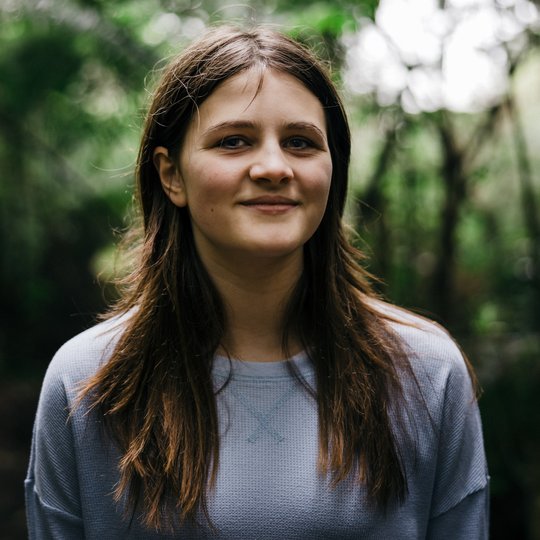
What mokopuna tell us about wellbeing
In 2018, we travelled around the motu, asking mokopuna what wellbeing means for them. We heard from more than 6,000 voices through an online survey, a series of focus groups, and interviews. This involved a diverse group of children and young people across New Zealand, with a mix of urban and rural, socio-economic status, ethnicity, and age characteristics.
Our resulting What makes a good life? report helped inform the development of the Government’s 2019 Child and Youth Wellbeing Strategy, which set out a shared understanding of what’s important for child and youth wellbeing.
A review of the Strategy was undertaken in 2022, which Mana Mokopuna supported through a series of engagements focused on how the Government can better support and empower children and young people to have their voice heard.
The Strategy was refreshed in 2024. Mana Mokopuna was commissioned to facilitate engagements with children and young people, focusing on what’s important to them, what gets in the way, and what helps at different stages of their life journey from babies through to young adults.
What mokopuna shared is captured in our report "You need to get in early, as soon as you see people struggling”: Understanding the life-course journey. The findings helped inform the refreshed Child and Youth Strategy 2024-2027.
Throughout these Strategy reviews, the six interconnected wellbeing outcomes, as described below, have endured.
Wellbeing outcomes
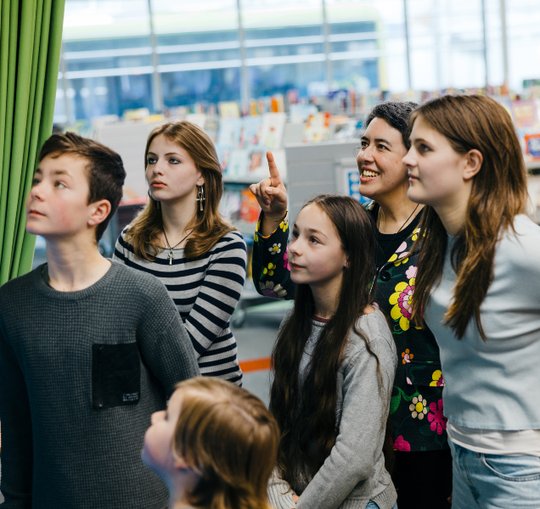
The Strategy sets out six high-level and interconnected wellbeing outcomes, that reflect what children and young people said was important to them. These outcomes are that children and young people:
- are loved, safe and nurtured
- have what they need
- are happy and healthy
- are learning and developing
- are accepted, respected and connected
- are involved and empowered.
Ngā āraitanga ki te oranga ngākau
Barriers to wellbeing
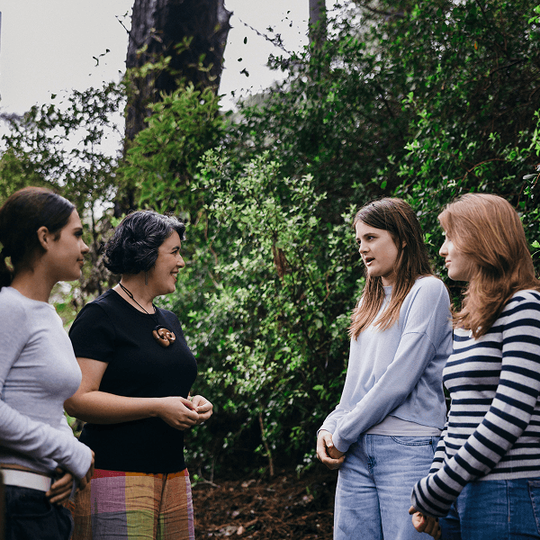
Most mokopuna tell us they have a good life. However, some mokopuna tell us some things prevent them from having a good life. Some examples of what can affect mokopuna having a good life include insecure housing or not enough money; family members with bad jobs or mental and physical health problems; or when mokopuna or their family experience violence and racism. Some tell us that these challenges can affect family relationships. Mokopuna are clear about how these challenges affect them, and it is crucial that leaders of Aotearoa listen to them and act on their concerns to improve their wellbeing.
Te whakapai ake i te oranga ngākau
Ways to improve wellbeing
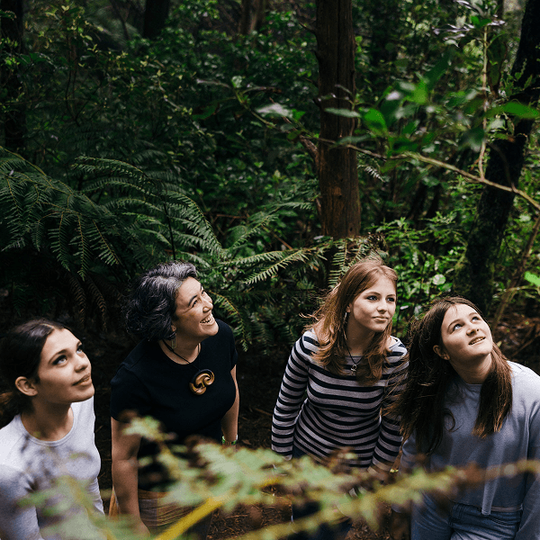
Good relationships are important for mokopuna at every age. They value their relationships with family, whānau, friends, and teachers. Mokopuna need to feel accepted, and respected. They should feel empowered to have a voice and for their voice to be considered in decision-making that affects them. Ensuring mokopuna and their family and whānau have everything they need is the basis of improving wellbeing.